
Translational
Our collaboration with the translational neurophysiology lab weaves together clinical electrophysiology with autonomic neuromodulation. Partnering with Dr. Stavros Zanos, we have investigated the use of non-invasive vagal stimulation for premature ventricular contraction suppression, characterized the influence of vagal stimulation on critical electrophysiologic parameters, and explored the mechanisms of baroreflex activation therapy in heart failure.

Collaborators
-
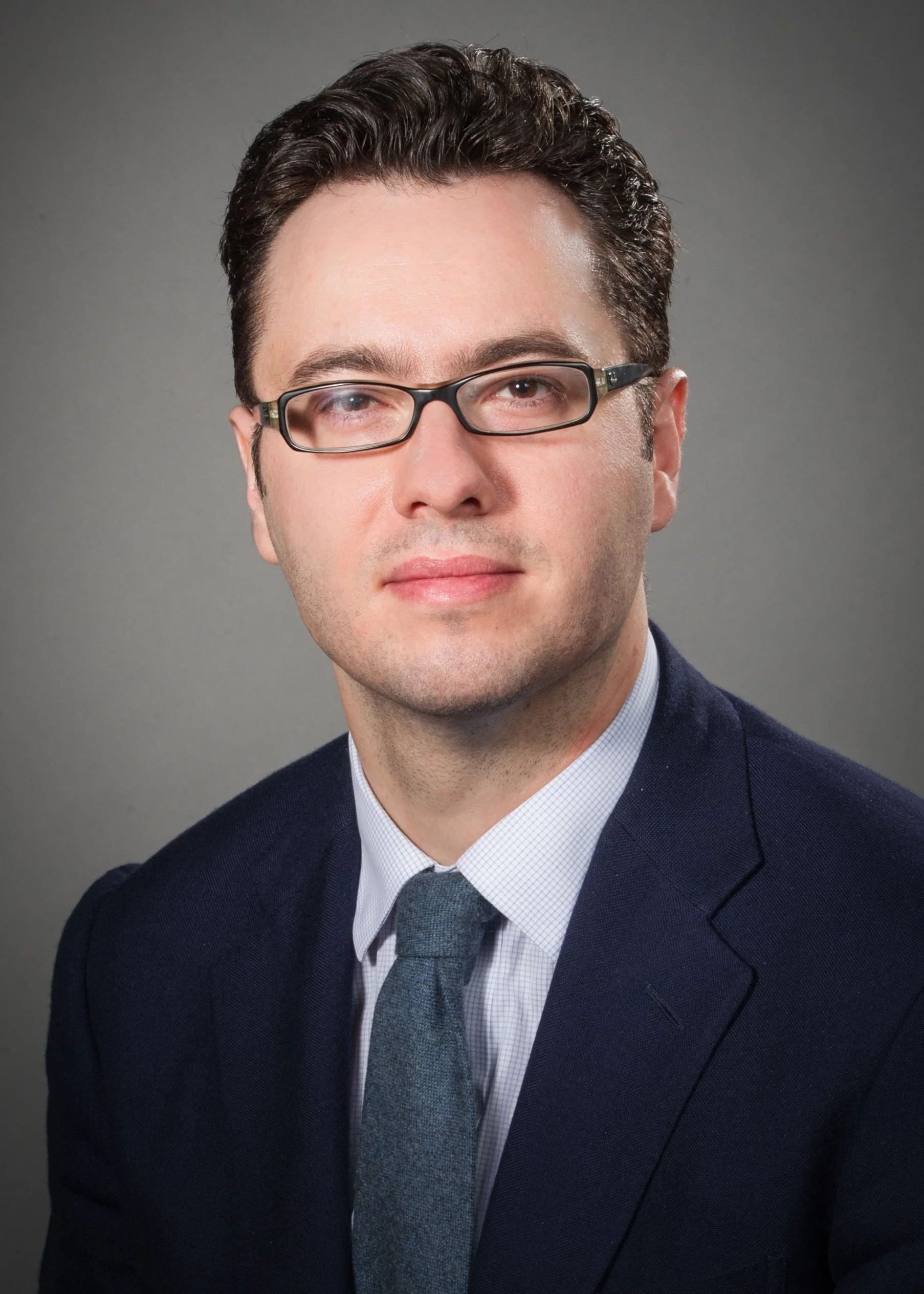
Stavros Zanos
-
Alexandra Bekiaridou
-
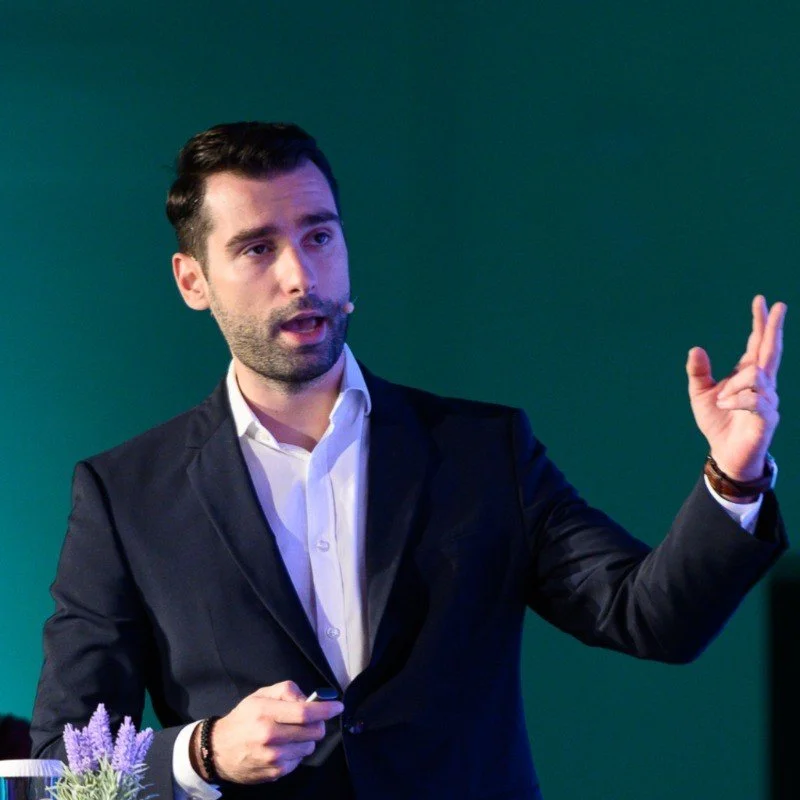
Stefanos Zafeiropoulos

Featured Studies
Non-invasive Vagal Stimulation for Frequent Premature Ventricular Contractions (NoVa-PVC)
This study explored the potential of non-invasive vagal stimulation as an adjunctive therapy for patients experiencing frequent and symptomatic premature ventricular contractions (PVCs). The primary goal was to determine if this non-invasive approach can effectively suppress PVCs, offering a novel therapeutic option.
Baroreflex Activation Therapy and Heart Failure Outcomes
This study aims to thoroughly quantify the physiological responses to baroreflex activation therapy in patients with heart failure with reduced ejection fraction (HFrEF). A central objective is to correlate these physiological changes with improvements in clinical heart failure symptoms and autonomic balance. By assessing inflammatory biomarker profiles, the study seeks to identify potential indicators that can predict which patients are most likely to respond positively to this therapy, thereby optimizing treatment strategies for HFrEF.
Non-invasive Vagus Nerve Stimulation During Electrophysiological Study
This study focuses on understanding the immediate effects of low-level tragus stimulation (LLTS), a form of non-invasive vagus nerve stimulation, on the heart's electrical system. Conducted in patients undergoing clinically indicated electrophysiological studies (EPS), the objective is to precisely evaluate how LLTS influences critical electrophysiologic parameters, particularly regarding sinoatrial and atrioventricular nodal function. By thoroughly characterizing these acute effects, the study aims to build foundational knowledge that could inform the future therapeutic role of non-invasive vagus nerve stimulation in managing various cardiac arrhythmias.